
"Puerto Rico coffee"
900 article(s) found

Aromatic Puerto Rico Manor Coffee Grind Processing Method Producing Area
In Spanish, Puerto Rico means port of affluence. Coffee in Puerto Rico dates back to 1736, when early Spanish immigrants brought coffee seedlings. Since the main cash crop was sugar cane in the 18th century, it has not been valued. At the beginning of the nineteenth century, the French began to migrate from the Mediterranean island of Corsica due to European political factors.
Characteristics of Puerto Rican Coffee Variety producing area introduction of Fine Coffee Bean Flavor Manor
Since 1972 the United Nations Special Committee on Decolonization has repeatedly reaffirmed the inalienable right of the people of Puerto Rico to self-determination and independence. In 1977, U.S. president Gerald Rudolph Ford submitted the Puerto Rico statehood Act 1977 to Congress, advocating that Puerto Rico should be turned into the 51st state of the United States. In November 1982, President Ronald Wilson Reagan issued a statement supporting Poland.

A brief introduction to the description of the flavor and aroma characteristics of fine coffee beans in San Pedro Manor with nutty flavor.
And each kind of coffee has its own unique taste, when you taste Yaoke coffee, you will feel the unique acidic taste of Central American coffee, which is the most characteristic taste of Caribbean island coffee, so some people compare Yaoke coffee to the most attractive tongue coffee Yaoke Yauco is an area of 176.5 square kilometers in southern Poland, named after the production of Tainos, but

Coffee production area of San Pedro Manor, Puerto Rico what is the elevation of coffee beans in San Pedro Manor
Exchange of professional baristas, please follow the coffee workshop (Wechat official account cafe_style) San Pedro Manor Coffee area introduction San Pedro Manor Coffee beans Country country: Puerto Rico Puerto Rico Altitude altitude: 25003000 feet Certification Certification: None No Coffee Characteristics: coffee

A brief introduction to the Origin, Development, History and Culture of Puerto Rico boutique Laresiao Coffee beans
This is why Puerto Rico and Puerto Rico Yukot select Yauco Selecto, which is the manor bean, the joint brand of Puerto Rico San Pedro, Caracolillo and La Juanita. Island Coffee-in fact, any kind of coffee in Puerto Rico will be given a unique flavor because of its origin, just as different musical styles will always give

A brief introduction to the history and culture of the origin and development of fine coffee beans in San Pedro Manor with nutty flavor.
And each kind of coffee has its own unique taste, when you taste Yaoke coffee, you will feel the unique acidic taste of Central American coffee, which is the most characteristic taste of Caribbean island coffee, so some people compare Yaoke coffee to the most attractive tongue coffee Yaoke Yauco is an area of 176.5 square kilometers in southern Poland, named after the production of Tainos, but

The pure, fragrant and grainy coffee of Puerto Rico Larez Yaoke has a special taste and taste.
Puerto Ricans are the general name of the residents of United States Puerto Rico in Central America and the Caribbean. There are about 3.4 million people (1979). Spanish and English are widely used. More Catholic. The earliest inhabitants of Puerto Rico were Arawak and Caribbean Indians. In 2012, whites of European origin accounted for about 73% of the population, mixed-race people accounted for 23%, and blacks accounted for 4%. There are more than 20,000 Americans and others.

The characteristics of Coffee in San Pedro Manor, Puerto Rico
Professional barista exchanges please follow the coffee workshop (Wechat official account cafe_style) San Pedro Manor Coffee, Puerto Rico characteristics of San Pedro Manor Coffee varieties San Pedro San Pedro Manor in the West Bank began to produce coffee beans in the 19th century, the initial production of coffee beans were sold by West Bank estates to Yauco Selecto, is now over
Introduction to the Fine Coffee Bean Manor in Puerto Rico Coffee producing area
The current Governor Alejandro Garcia Patia (Alejandro Garcia Padilla San Juan San Juan), people's Democratic Party. Born in Puerto Rico on August 3, 1971, he received a bachelor's degree in political science and economics from the University of Puerto Rico and a law degree from the Pan American University of Puerto Rico. Professional lawyer. Zeng Renbo, assistant judge of the Court of Appeal and professor of law at the Pan American University of Puerto Rico

Introduction to the flavor and taste characteristics of Puerto Rico coffee manor with strong flavor
In Spanish, Puerto Rico means the port of wealth. The history of coffee in Puerto Rico dates back to 1736, when coffee seedlings were brought into the country by early Spanish settlers. In the 18th world, sugar cane was the main economic crop, so little attention was paid to it. At the beginning of the 19th century, the French began to move from the Mediterranean island of Corsica because of European politics.
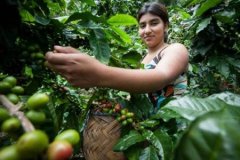
A brief introduction to the characteristics of Coffee Flavor description varieties in San Pedro Manor, Puerto Rico
Puerto Rico's new farm coffee is a mild, supple and well-balanced island bean with a charming single malt flavor, extremely sweet when sipped in a cup, and medium-roasted creamy and greasy texture that is often suitable for Puerto Rico island beans. In 1898, the Spanish-American War broke out and Spain was defeated. According to the Treaty of Paris, Puerto Rico was ceded to the United States. The United States versus Bordeaux
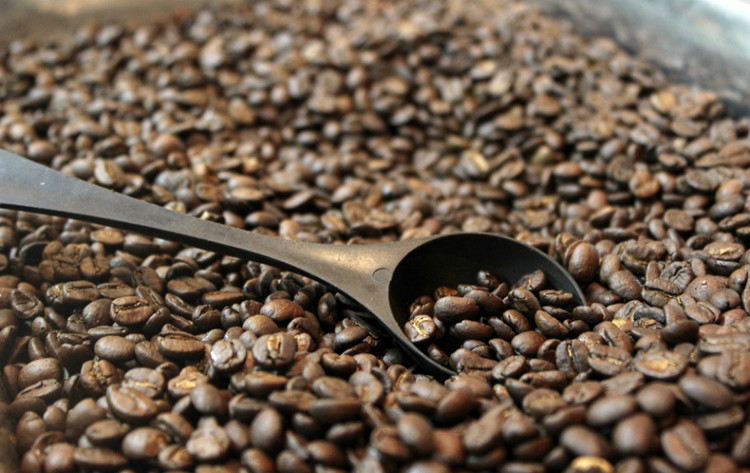
Puerto Rico, United States of America, where fine coffee beans are produced Details Coffee stories in Puerto Rico
Puerto Rico Coffee-King's Coffee Puerto Rico, a small country in South America, consists of a series of scattered islands, each season like spring, flowers and plants are abundant, like God's bead chain, a slight rotation can see the glory of heaven. The main island of Puerto Rico, only 8959 square kilometers, is a small point on the map, but like a magnified bonsai, the island is mountainous

Puerto Rico Coffee Estate Flavor Taste Features San Pedro Estate
Puerto Rico is a general term for the inhabitants of Puerto Rico in Central America and the Caribbean. About 3.4 million people (1979). Spanish and English are spoken. More Catholic. The earliest inhabitants of Puerto Rico were Arawak and Caribbean Indians. In 2012, whites of European origin accounted for approximately 73 per cent of the total population, mestizo for 23 per cent and blacks for 4 per cent. And over 20,000 Americans and others
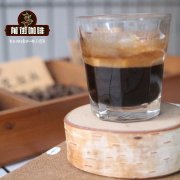
Is Puerto Rican coffee good? Introduction to the Flavor characteristics of Puerto Rico Coffee Bean Variety treatment
Professional coffee knowledge exchange more coffee bean information please follow the coffee workshop (Wechat official account cafe_style) Puerto Rico Coffee it is generally believed that the original coffee tree species in Puerto Rico was brought to Martinique Island (French West Indies in the Caribbean) by the French in 1723 and quickly spread to Puerto Rico in 1736 because of the mountains.

A brief introduction to the description of flavor, taste and aroma characteristics of Puerto Rican boutique coffee beans with rich fruit flavor
Island Coffee-Puerto Rico and Jaime Fortuno, president of Escokidoyaoke (Escogido Yauco), silently pays attention to all this work every year, even the smallest details. Fortuno is an investment banker who graduated from Harvard Business School. He was determined to seize every opportunity to open up a top coffee market in Puerto Rico.

Aromatic Puerto Rico coffee flavor Growing environment Fine coffee beans Introduction
With the advancement of modernization, the Americanization of Puerto Rico culture has become increasingly evident. However, the wise people on the island believed that Puerto Rico culture should not be assimilated into mainstream American culture, otherwise Puerto Rico's national identity would be lost. That claim was closely linked to the controversy over the political status of Puerto Rico and had become a political concern for every Puerto Rico. language problems

Introduction to the characteristics of mild intensity / soft Puerto Rican Coffee Manor
On 6 November 2012, Puerto Rico held its fourth referendum. The referendum consists of two rounds of voting. In the first round, Puerto Ricans voted on whether they wanted to change the status quo in their relations with the United States. 1.8 million people were eligible to vote, 65000 gave up the first round of voting, and 54 per cent of those who took part in the vote supported a change of relationship. Later, Puerto Ricans were like

A brief description of the flavor, taste and aroma characteristics of Puerto Rican boutique coffee beans with pure aroma and heavy granules.
Puerto Rico's coffee beans are carefully planted, pure, aromatic and heavy, of which the best coffee is Yauco Selecto, which means Selecto. Yaocote Coffee is grown only on three farms in the southwest of the island, San Pedro, Caracolillo and La Juanita. It is a truly high-quality coffee with a strong flavor and a long aftertaste. Puerto Rico
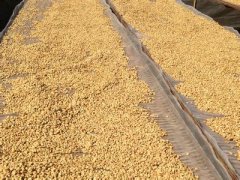
A brief introduction to the treatment method of grinding degree and baking degree of Puerto Rico boutique coffee beans with heavy flavor and aromatic particles
And each kind of coffee has its own unique taste. When you taste Yaoke coffee, you will feel the unique acidic taste of Central American coffee, which is the most characteristic taste of Caribbean island coffee. Therefore, some people compare Yaoke coffee to coffee with the most attractive tongue in the coffee world. Speaking of coffee from the island, I think everyone must be a little bit concerned about the Blue Mountains of Jamaica and Kona of Hawaii.

Description of Coffee Flavor in Chateau San Pedro, Puerto Rico; introduction to the taste of the producing area
In Spanish, Puerto Rico means the port of wealth. The history of coffee in Puerto Rico dates back to 1736, when coffee seedlings were brought into the country by early Spanish settlers. In the 18th world, sugar cane was the main economic crop, so little attention was paid to it. At the beginning of the 19th century, the French began to move from the Mediterranean island of Corsica because of European politics.